Five WordPress Plugins for Successful Server Migration and the Keys to Doing It Well

I want to migrate WordPress with confidence.
Migrating a WordPress site involves many risks, including data loss and a drop in SEO rankings. However, by using the right plugins, it is possible to keep those risks to a minimum and complete the migration efficiently.
In this article, I introduce the top five WordPress migration plugins that can be used by everyone from beginners to advanced users, and I dig into why each one is good.
Complete Comparison of 32 WordPress Hosting Services for Individuals, Companies, and Overseas Use

When you think, “I want to start WordPress,” and search for “WordPress recommendations,” you find all kinds of articles covering personal hosting, options for companies and small businesses, overseas hosting, and low-cost servers. Honestly,
- which site should you trust?
- you may just want a simple and understandable answer.
- you may want to get started with WordPress right away.
That is why this article carefully selects recommended choices from 32 hosting providers for individuals, companies, domestic use, and overseas use. It is explained by the SEO lead at an app development company that uses hosting every day.
Five plugins that make WordPress migration smoother

Duplicator
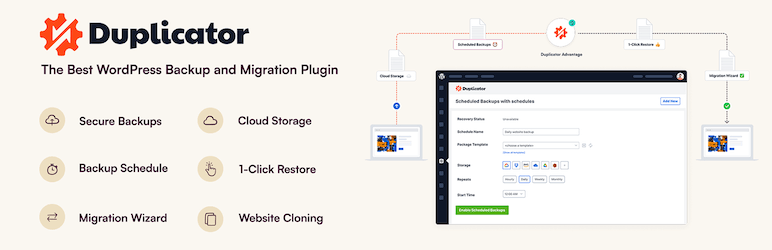
Duplicator is a plugin that accomplishes migration by packaging the entire site, uploading it to a new hosting environment, and deploying it there.
Its intuitive operation is friendly even to beginners, and it allows easy site backup and migration without requiring complicated settings. In the Pro version, you can use even more advanced features, so it also supports migration of large-scale sites.
1. Install Duplicator and create a package
Install Duplicator
- Log in to the WordPress dashboard.
- Go to “Plugins” > “Add New,” search for “Duplicator,” install it, and activate it.
Create a package
- Go to “Duplicator” > “Packages” and click the “Create New” button.
- Follow the package creation wizard to create a backup of the site. Set a package name along the way and click the “Next” button.
- The system will run checks, and if there are no problems, click the “Build” button. Once it finishes, the installer file and the archive file will be generated.
- Download the “Installer” and the “Archive.”
2. Migrate to the new server
Upload the files
- Connect to the new server by FTP and upload the downloaded “Installer” and “Archive” files.
Create a new database
- Using the new server’s administration tools such as cPanel or Plesk, create a new database and database user. Make a note of that information.
3. Run the installer
Start the installer
- Access the URL of the new domain or server and open the installer file, for example
http://yournewdomain.com/installer.php. - The installer script will start. Enter the database information and click the “Next” button.
Configure the database
- Enter the information for the new database you created earlier, including the host name, database name, user name, and password, then click the “Test Database” button to confirm the connection. If there are no problems, click the “Next” button.
Deploy the data
- A confirmation screen for the installation destination will appear. If everything is fine, click the “Next” button. Importing the data into the database will then begin.
Set the new URL
- Check the settings for the new URL and path, and revise them if necessary. Then click the “Next” button.
Finish the installation
- When the installation completion screen appears, review each step and click the “Log in to site” button to log in to the new site.
4. Check after migration
Update permalink settings
- Log in to the WordPress dashboard on the new site and go to “Settings” > “Permalinks.”
- Click the “Save Changes” button to refresh the permalink settings.
Check site operation
- Check each page and function of the site to confirm that the migration was carried out correctly.
All-in-One WP Migration
This plugin lets you gather the site’s content into a single file by using import and export functions, then migrate it to a new site.
Its ease of use and its premium option, which makes it possible to migrate files beyond size limits, are especially attractive. It is particularly well suited to cases where you are planning a move to a new domain or transferring a site between servers.

1. Install All-in-One WP Migration and export the site
Install All-in-One WP Migration
- Log in to the WordPress dashboard.
- Go to “Plugins” > “Add New,” search for “All-in-One WP Migration,” install it, and activate it.
Export the site data
- Go to “All-in-One WP Migration” > “Export.”
- Click the “Export To” button, choose “File,” and start the export.
- When the export is complete, download the backup file that was created.
2. Migrate to the new server
Install All-in-One WP Migration
- Log in to WordPress on the new server and install and activate the “All-in-One WP Migration” plugin there in the same way.
3. Import the site data
Import the site data
- Go to “All-in-One WP Migration” > “Import.”
- Click the “Import From” button, choose “File,” and upload the backup file you exported earlier.
- Once the upload is complete, click the “Proceed” button to finish the import process.
Restore the site
- When the import is complete, a message will appear telling you that the import succeeded. Click “Finish.”
4. Check after migration
Update permalink settings
- Log in to the WordPress dashboard on the new site and go to “Settings” > “Permalinks.”
- Click the “Save Changes” button to refresh the permalink settings.
Check site operation
- Check each page and function of the site to confirm that the migration was carried out correctly.
5. Verify site operation and optimize it
Check the theme and plugins
- Confirm that the theme and plugins are operating properly on the new server.
- Review plugin settings again and update them if necessary.
Check images and links
- Confirm that the images in the media library display correctly.
- Confirm that internal links are redirecting properly to the URL of the new domain or server.
UpdraftPlus
UpdraftPlus is a plugin specialized in backup and restoration, but it also supports migration to a new site by using those backup files.
It offers rich options for automatic backups and cloud storage, allowing you to keep your site data safe even during the migration process. Because it can also protect the site through regular backups after the migration, it delivers two benefits at once.

1. Install UpdraftPlus and create a backup
Install UpdraftPlus
- Log in to the WordPress dashboard.
- Go to “Plugins” > “Add New,” search for “UpdraftPlus,” install it, and activate it.
Create a backup
- Go to “Settings” > “UpdraftPlus Backups.”
- Click the “Backup Now” button to start the backup.
- Check both “Backup database” and “Backup files,” then click the “Backup Now” button.
- Once the backup is complete, go to the “Backup / Restore” tab and download the backup you created. The necessary files are “Database,” “Plugins,” “Themes,” “Uploads,” and “Others.”
2. Migrate to the new server
Install UpdraftPlus
- Log in to WordPress on the new server and install and activate the “UpdraftPlus” plugin there in the same way.
3. Upload the backup files and restore them
Upload the backup files
- In the WordPress dashboard on the new server, go to “Settings” > “UpdraftPlus Backups.”
- Go to the “Backup / Restore” tab and click the “Upload backup files” button.
- Upload each of the backup files you downloaded earlier one by one.
Restore the site data
- After the uploads are complete, select the backup shown in the “Existing Backups” section and click the “Restore” button.
- Select the components to restore, such as the database, plugins, themes, uploads, and others, and click the “Next” button.
- Wait until the restore process finishes. When it is done, you will see a “Restore successful” message.
4. Check after migration
Update permalink settings
- Log in to the WordPress dashboard on the new site and go to “Settings” > “Permalinks.”
- Click the “Save Changes” button to refresh the permalink settings.
Check site operation
- Check each page and function of the site to confirm that the migration was carried out correctly.
5. Verify site operation and optimize it
Check the theme and plugins
- Confirm that the theme and plugins are operating properly on the new server.
- Review plugin settings again and update them if necessary.
Check images and links
- Confirm that the images in the media library display correctly.
- Confirm that internal links are redirecting properly to the URL of the new domain or server.
WP Migrate DB
WP Migrate DB specializes in database migration.
It can automatically replace database values to match the new URL and makes export and import easy. It is ideal for developers and users with a more technical background, and it allows detailed database customization and migration.

1. Install WP Migrate DB and export the database
Install WP Migrate DB
- Log in to the WordPress dashboard.
- Go to “Plugins” > “Add New,” search for “WP Migrate DB,” install it, and activate it.
Export the database
- Go to “Tools” > “Migrate DB.”
- Enter the new site’s URL and path into the “Find what:” and “Replace with:” fields.
- Click the “Export Database” button and download the exported database file.
2. Migrate to the new server
Prepare the new server
- Install WordPress on the new server.
- Create a new database and note the database information, including the host name, database name, user name, and password.
Migrate the existing files
- Download the “wp-content” folder from the original server and upload it to the same location on the new server. This is easy if you use an FTP client.
3. Import the database
Import the database
- Log in to phpMyAdmin on the new server and select the new database.
- Click the “Import” tab, upload the database file you exported earlier, and import it.
4. Edit the wp-config.php file
Edit wp-config.php
- Edit the “wp-config.php” file on the new server. Update the database name, user name, password, and host name with the information for the new database.
Copy the PHP codedefine('DB_NAME', 'new_database_name');
define('DB_USER', 'new_database_user_name');
define('DB_PASSWORD', 'new_database_password');
define('DB_HOST', 'new_database_host_name');
5. Check after migration
Update permalink settings
- Log in to the WordPress dashboard on the new site and go to “Settings” > “Permalinks.”
- Click the “Save Changes” button to refresh the permalink settings.
Check site operation
- Check each page and function of the site to confirm that the migration was carried out correctly.
6. Verify site operation and optimize it
Check the theme and plugins
- Confirm that the theme and plugins are operating properly on the new server.
- Review plugin settings again and update them if necessary.
Check images and links
- Confirm that the images in the media library display correctly.
- Confirm that internal links are redirecting properly to the URL of the new domain or server.
Migrate Guru
Migrate Guru is specialized for large sites and can carry out site migration automatically while keeping the server load to a minimum.
Its proprietary technology greatly speeds up the migration process, making it possible to finish moving even larger WordPress sites easily and quickly.
1. Install Migrate Guru
Install Migrate Guru
- Log in to the WordPress dashboard.
- Go to “Plugins” > “Add New,” search for “Migrate Guru,” install it, and activate it.
2. Prepare for the migration
Prepare the destination
- Install WordPress on the destination server in advance.
- Confirm the destination server information, including the FTP information, host name, user name, and password.
3. Configure Migrate Guru and start the migration
Start Migrate Guru
- In the WordPress dashboard, go to “Migrate Guru” > “Migrate Site.”
- Select the type of destination, such as cPanel, FTP, SFTP, or WebHost Manager.
Enter the destination information
- Enter the information for the destination server. For example, if you are using FTP, enter the host name, FTP user name, and FTP password.
- Enter the destination URL and click the “Migrate” button.
Confirm the migration
- Migrate Guru starts the migration process and displays its progress. Wait until the migration is complete.
4. Check after migration
Confirm completion of the migration
- When the migration finishes, you will receive a notification from Migrate Guru. Access the destination site and confirm that it was migrated correctly.
Update permalink settings
- Log in to the WordPress dashboard on the new site and go to “Settings” > “Permalinks.”
- Click the “Save Changes” button to refresh the permalink settings.
5. Verify site operation and optimize it
Check the theme and plugins
- Confirm that the theme and plugins are operating properly on the new server.
- Review plugin settings again and update them if necessary.
Check images and links
- Confirm that the images in the media library display correctly.
- Confirm that internal links are redirecting properly to the URL of the new domain or server.
Additional advice for successful WordPress migration

Prepare thoroughly
Before starting the migration, it is important to update plugins and themes and clean out unnecessary data.
Testing is essential
Before the migration, test the process in a staging site or local environment and confirm that there are no problems.
Protect SEO
If the URL structure changes during the migration, set appropriate redirects and update the sitemap so that you can prevent a decline in SEO rankings.
Check performance
After moving to the new server environment, confirm that there is no negative effect on site speed or user experience and optimize as needed.
Server-company migration is recommended over WordPress-plugin migration
Using WordPress plugins for migration inevitably leaves some anxiety. Rather than failing the migration and wasting time and effort, I recommend using a server company that provides migration tools or low-cost migration support.
XServer Business
If you are a corporation, I recommend XServerビジネス. It migrates your server free of charge. Because the move is done by the server company itself, there is no risk of failing the WordPress migration. If your company has the budget, use XServer Business rather than spending extra time and effort on the move yourself.

“XServer Business” is the corporate server from Xserver Inc., which holds the No. 1 domestic share. In our measurements, it ranked No. 2 for display speed. It is one of the best choices as a migration destination. Server migration is also free.
Until October 7, 2025, the initial fee (normally from 16,500 yen to 385,000 yen) is free, and server migration service is also free.
Xserver
エックスサーバー is a server for individuals that comes with migration tools. You can migrate WordPress by using its “Easy WordPress Migration” feature.
I have actually used that function myself to migrate WordPress. The move went smoothly.
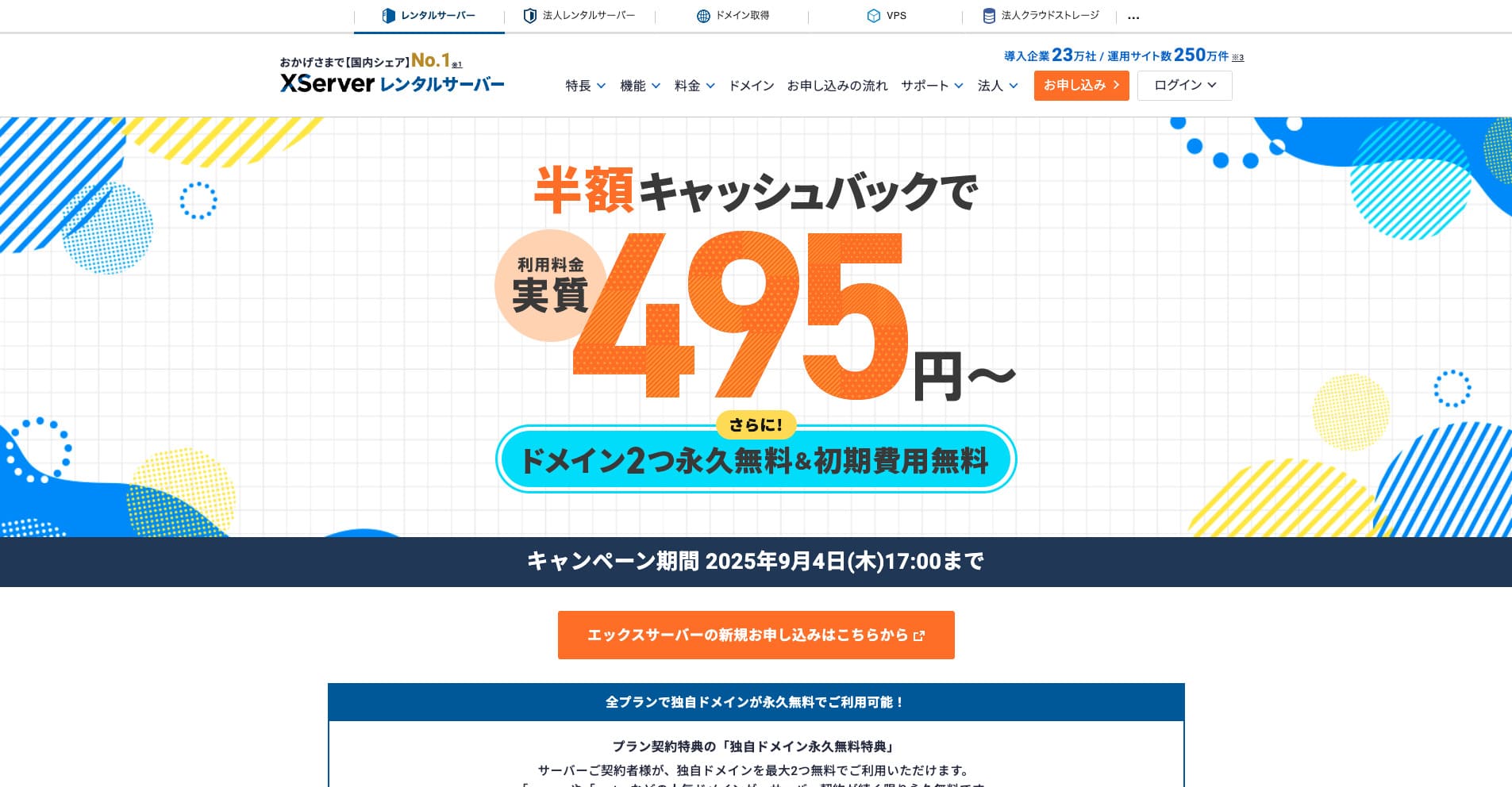
“Xserver” is a long-established high-speed rental server with the No. 1 domestic market share. It is popular with both individuals and companies. Honestly, it has no real drawbacks, and its stability, features, and support are all excellent. With cashback, you can use it from an effective 495 yen.
Until September 34, 2025, it offers half-price cashback and a 10-day free trial.
★ Xserver’s reputation and how to start WordPress with its strong support system
ConoHa WING
ConoHa WING is a server that includes WordPress migration functionality and is also used by this site. If you use “Easy WordPress Setup,” anyone can migrate WordPress without difficult settings.
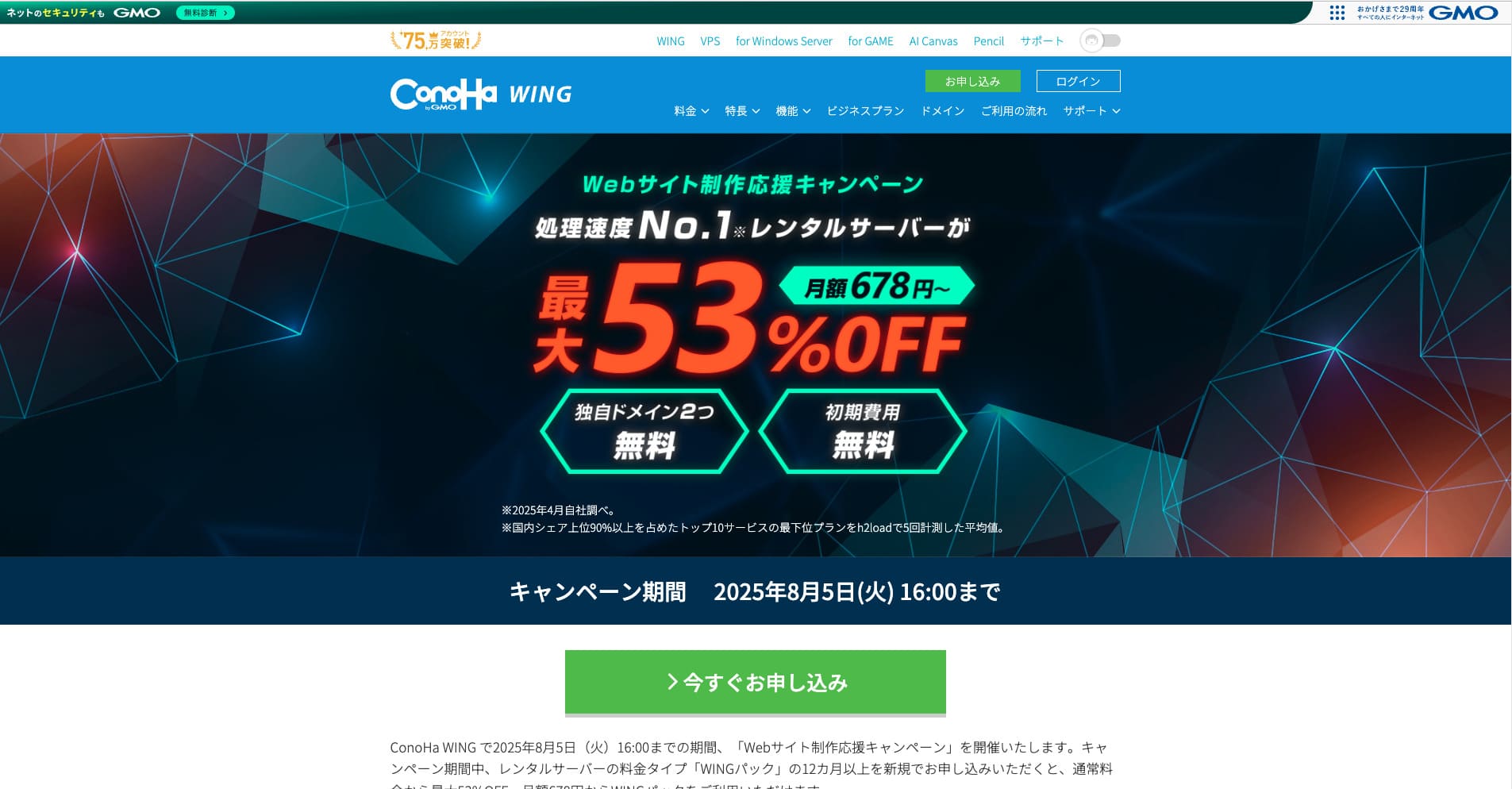
“ConoHa WING” is a high-speed server from the GMO Internet Group, and its number of users is rapidly increasing. Because WordPress is preinstalled when you sign up for the server, anyone can get started easily. It offers a good balance between cost and performance, and our company uses it as well.
Until August 5, 2025, server fees are up to 53% off, two domains are free forever, and the first month is free.
★ How to launch a homepage in 10 minutes: ConoHa WING’s reputation and how to start WordPress with it
ColorfulBox
ColorfulBox is a server that lets you use the cPanel management panel, which includes site migration functions. Right now, WordPress migration service is free. Because the server company performs the migration for you, you can move WordPress with confidence.

“ColorfulBox” is a reassuring server with excellent region-based automatic backups. It offers eight plans, allowing you to use the performance you need without waste. It is also one of the few rental servers that offers support around the clock.
Until August 31, 2025, server fees are up to 50% off, you can receive an Amazon gift card worth up to 10,000 yen, and there is also a 30-day free trial.
Lolipop!
LOLIPOP is an inexpensive and easy-to-use server that has WordPress migration functionality. Its “Easy WordPress Move (Server Migration)” feature can be used on the Lite plan and above.
I have also migrated WordPress with Lolipop! myself. The move completed without any problem.
“Lolipop!” is a popular long-established rental server available at a low price. Even with its 99.99% uptime, the Lite plan that supports WordPress can be used from 264 yen per month. Every plan offers strong cost performance.
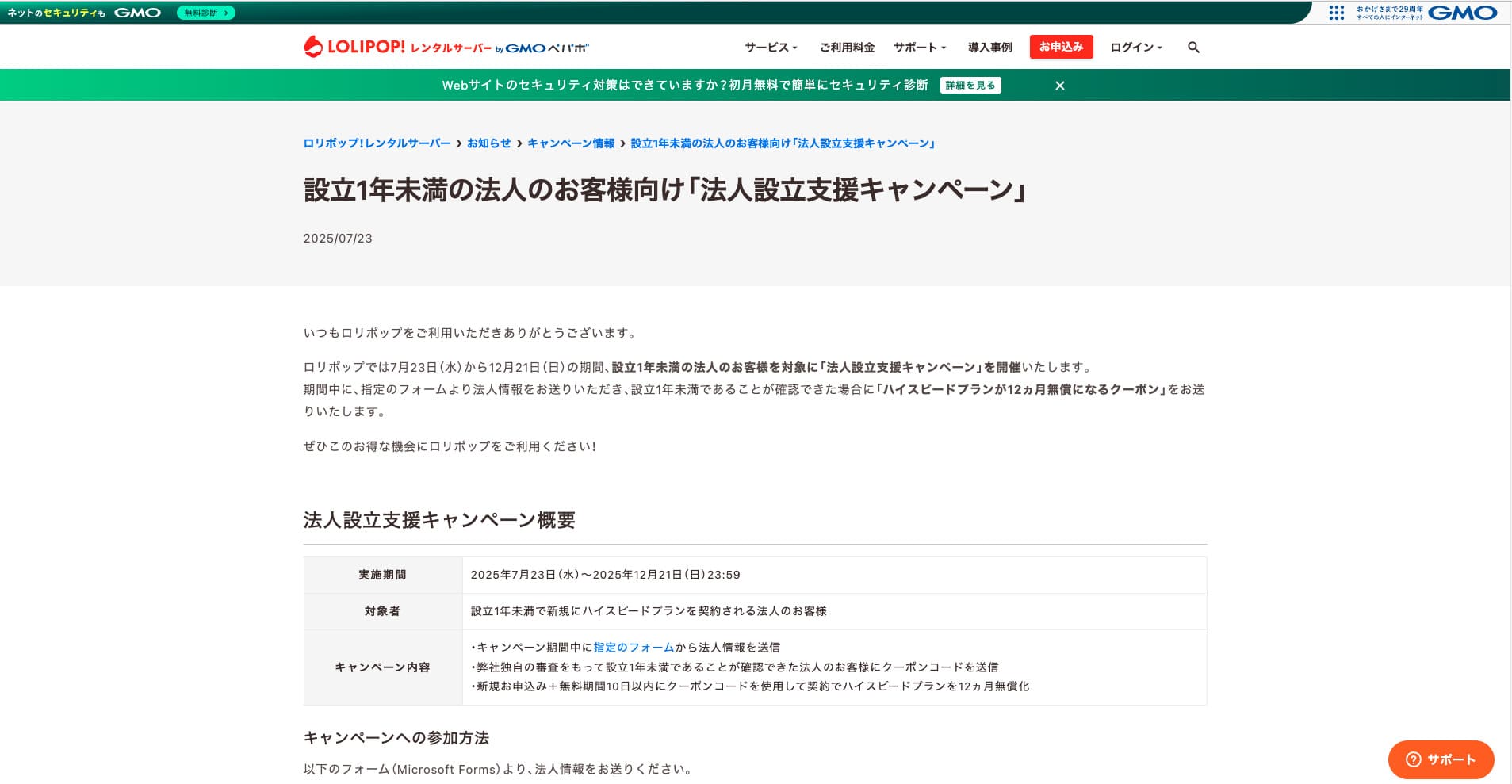
Until December 21, corporations established less than one year ago can use the High Speed plan free for 12 months, and contracts of 12 months or longer receive one domain for free forever, along with a 10-day free trial.
★ Bad evaluations are a thing of the past: four reviews of Lolipop! and how to start WordPress with it
Summary
Migrating a WordPress site can be made far easier and safer through the right plugins and proper preparation in advance.
By making use of the plugins introduced in this article and putting the additional advice into practice, you can move your own site smoothly into a new environment. When you migrate a site, be sure to make use of these tools and techniques.
However, if you are worried about WordPress migration, use a server that provides migration tools or migration support.
Complete Comparison of 32 WordPress Hosting Services for Individuals, Companies, and Overseas Use
When you think, “I want to start WordPress,” and search for “WordPress recommendations,” you find all kinds of articles covering personal hosting, options for companies and small businesses, overseas hosting, and low-cost servers. Honestly,
- which site should you trust?
- you may just want a simple and understandable answer.
- you may want to get started with WordPress right away.
That is why this article carefully selects recommended choices from 32 hosting providers for individuals, companies, domestic use, and overseas use. It is explained by the SEO lead at an app development company that uses hosting every day.